Drywall may appear to be one of the simplest parts of a home. Just walls and ceilings, isn’t that right? But drywall in Douglasville, Georgia, is strictly regulated for a reason. The residential drywall code serves to protect homeowners against fire hazards, moisture damage, and unsafe construction. Understanding the local drywall codes can help you avoid failed inspections, fines, or expensive redo work while remodeling a bedroom, repairing storm damage, or finishing a basement.
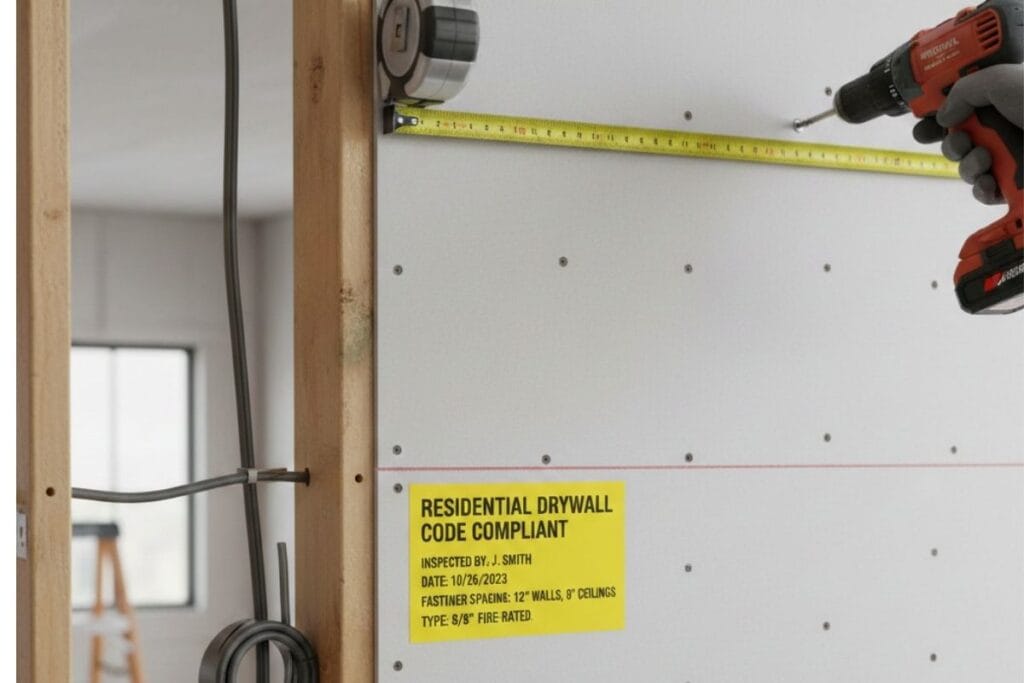
What Is The Residential Drywall Code?
The building codes governing the installation of drywall in residences are referred to as the residential drywall code. In Douglasville, GA, these policies are based on:
· The International Residential Code (IRC)
· Georgia State Amendments
· Douglas County local enforcement policies
These codes cover:
· Drywall thickness
· Fire resistance
· Moisture protection
· Fastening methods
· When specific types of drywall are needed
Maintaining safe, long-lasting, and high-quality dwellings is the simple goal.
Who Implements Residential Drywall Codes In Douglasville, GA?
Douglas County Building Inspections is responsible for implementing the drywall codes in Douglasville. Inspectors inspect drywall work during remodeling, additions, and new building projects.
Usually, you’ll need:
· A permit is required before starting the work
· A rough inspection (before drywall is coated)
· A final inspection post installation
Ignoring permits and codes can cause project delays and penalties.
Standard Drywall Thickness Rules
Thickness is an important aspect of the residential drywall code. Using the improper thickness is a typical reason projects fail inspection.
Common drywall thickness rules:
· Ceilings (16-inch joist spacing): 1/2-inch drywall
· Ceilings (24-inch joist spacing): 5/8-inch drywall
· Garages: 5/8-inch fire-rated drywall (frequently needed)
· Walls: 1/2-inch drywall (typical for most living rooms)
Drywall that is thinner than required can lead to sagging, cracking, and code violations.
Fire-Resistant Drywall Rules
Douglasville’s residential drywall code prioritizes fire safety.
Where fire-resistant drywall is required:
· Between the attached garage and the home
· Garage ceilings beneath living areas
· Mechanical rooms (sometimes necessary)
Fire-resistant drywall details:
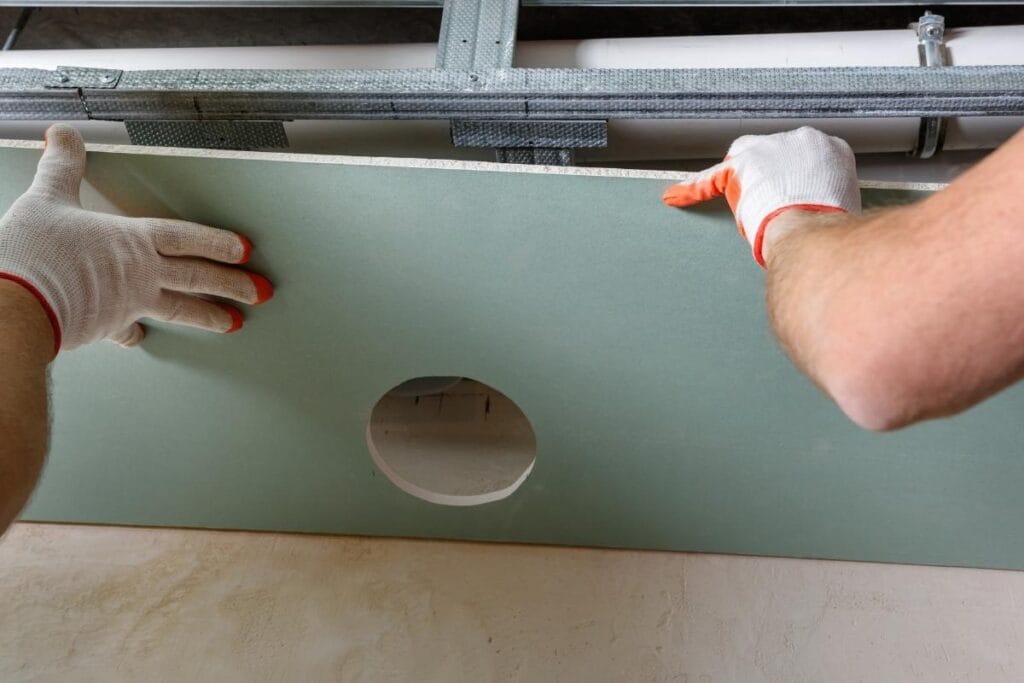
· Typically, 5/8-inch Type X drywall
· Must be correctly sealed and taped
· No exposed openings or gaps
This barrier helps limit fire spread and provides families more time to escape.
Moisture-Resistant Drywall Rules
Moisture control is important in Georgia due to its humid climate. Regular drywall can only be used in certain areas, according to the drywall code.
Areas in need of moisture-resistant drywall:
· Basements
· Bathrooms
· Laundry rooms
· Kitchens (near sinks)
Accepted types of drywall:
· The moisture-resistant green board
· The cement board behind the tiling
· Mold-resistant drywall
Important: You cannot use regular drywall around bathtubs or showers. Mold and automated inspection failure can result from using the incorrect material.
Installation And Fastening Rules
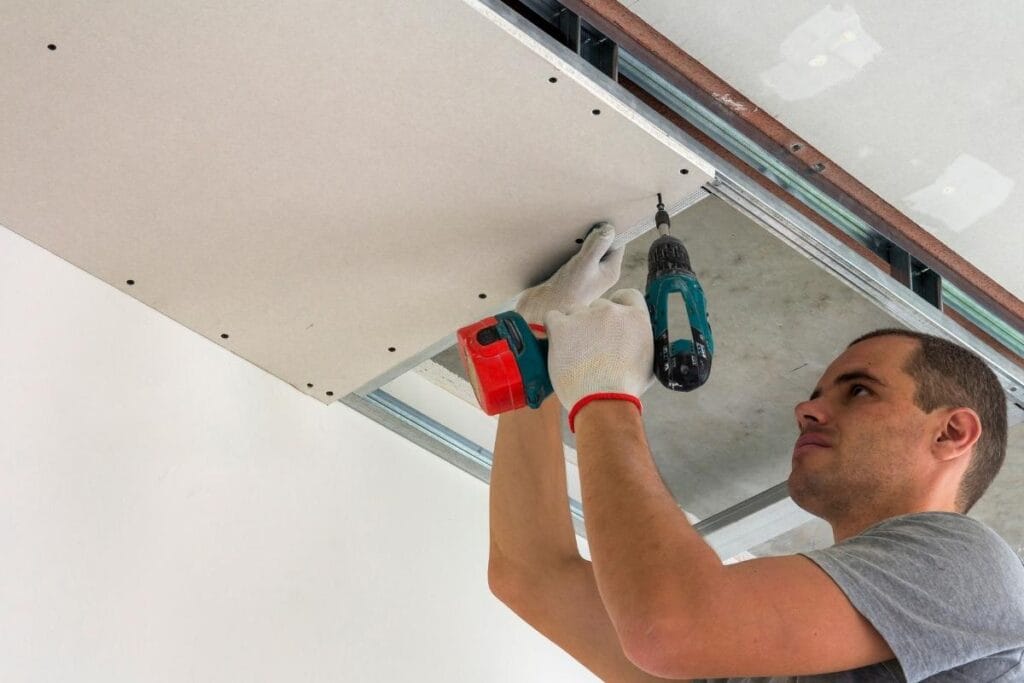
Drywall installation is more than just hanging sheets; it also includes how they are secured.
Code-compliant installations consist of:
· Screws (not nails) in most cases
· Screws spaced:
o 12 inches apart on ceilings
o 16 inches apart on walls
· Accurate edge and field fastening.
· No damaged paper or over-driven screws
Inspectors will extensively inspect fasteners. Careless effort won’t pass.
Ceiling Drywall Code Rules
Gravity works against ceilings; they are subjected to higher standards.
Ceiling-specific rules:
· Greater joist spacing with thicker drywall
· Correct screw spacing
· No loose or drooping panels
· Fire-rated drywall for living spaces above
Failing to fulfill ceiling rules is a regular inspection concern in Douglasville remodels.
Drywall Code for Basements
Finishing a basement? Even if the space is not used daily, the drywall code still applies.
Basement drywall requirements:
· Moisture-resistant drywall
· Vapor barriers were needed
· Fire-rated drywall near garages or furnaces
· Appropriate insulation for drywall
Basements get thorough inspections due to potential moisture and fire hazards.
When Do You Need A Permit For A Drywall Project?
Many drywall projects do require a permit, but not all of them.
Permits are frequently necessary when:
· Finishing a basement
· Renovating many rooms
· Altering walls or ceilings
· Adding or removing walls
Permits might not be needed for:
· Small repairs
· Filling up holes
· Replacing a few torn sheets
When in doubt, check with Douglas County Building Inspections. It’s better to ask than to repeat what was done.
Common Residential Drywall Code Violations In Douglasville, GA
Prevent these common mistakes that lead to inspection failures:
1. Using drywall that isn’t fire-rated in garages
2. Drywall installation that is too thin for ceilings
3. Skipping moisture-resistant drywall in bathrooms
4. Inadequate screw spacing
5. Missing permits
These problems may raise project expenses and cause occupancy to be delayed.
Do It Yourself Vs. Hiring A Pro
Drywall may seem simple to install, but many do-it-yourself projects fail to adhere to drywall code.
DIY may work if:
· The repair is simple
· No permits are necessary
· You are aware of the code
Hiring a professional is best if:
· The project requires permits
· Fire-rated drywall is required
· It’s a basement finish or complete renovation
Licensed contractors are knowledgeable about the drywall code and can prevent costly mistakes.
How Inspectors Check Drywall Projects?
When inspecting, officials will search for:
1. Proper type of drywall
2. Proper thickness
3. Fire-rated assemblies
4. Secure fastening
5. Clean seams and joints
Inspections may fail if even one section does not meet code requirements.
Tips For Passing A Drywall Inspection
1. Use the suitable drywall type for each room
2. Follow spacing rules exactly
3. Don’t cover work before inspection
4. Maintain on-site permit documents
5. If in doubt, ask questions early
Preparation saves time and reduces stress.
Final Thoughts
Understanding the residential drywall code in Douglasville, GA, isn’t just about passing inspection—it’s about making a safer, stronger home. Drywall rules are in place for the protection of both your family and your investment, from moisture control to fire safety. Whether you’re a homeowner planning a makeover or a contractor working locally, following the laws from day one can help prevent delays, fines, and rework. When in doubt, consult local inspectors or work with a professional who has extensive knowledge of Douglasville’s rules.
Building it right the first time is always cheaper—and safer—than repairing it later on.