
It can be fun to plan a home project. New walls. New paint. a modernized, cleaner area. However, a crucial step that many homeowners overlook before starting drywall installation is obtaining a drywall permit.
Ignoring permits in Douglasville, GA, may result in penalties, delays, or even the need to redo work. The good news? It’s not as hard as you would believe to determine when you need a permit. This guide simplifies everything so you can proceed confidently and maintain the flow of your project.
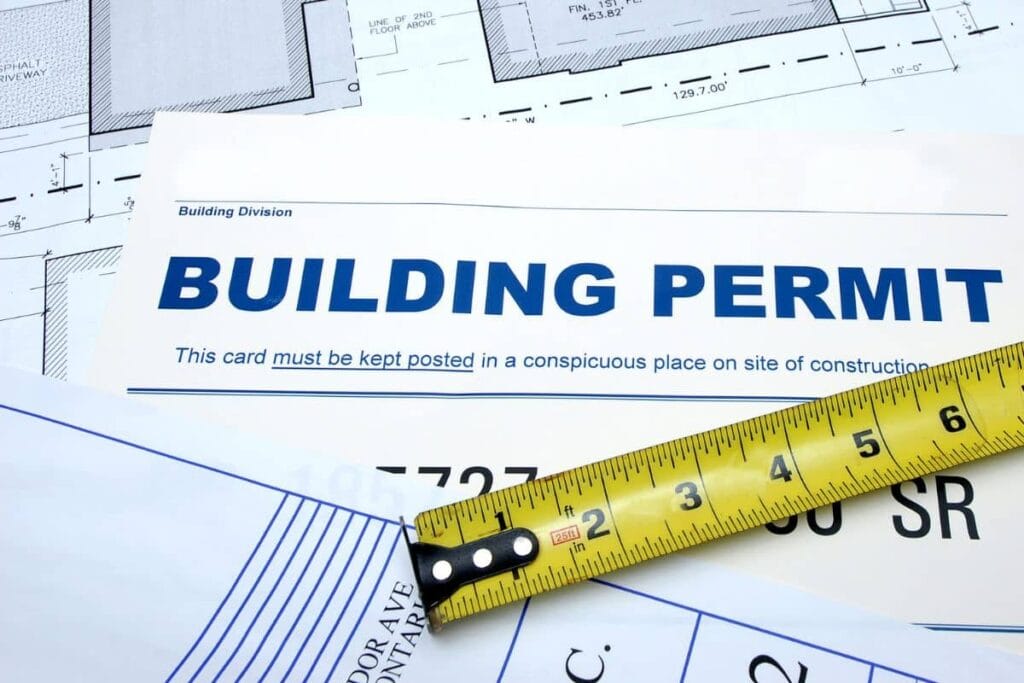
A Drywall Permit: What is it?
A drywall permit is formal approval from the local building department. It allows you to install, repair, or replace drywall while ensuring:
Permits can guarantee that:
- The work complies with building laws
- The house remains secure
- Structural and electrical components are protected
Depending on the size of the project, drywalling in Douglasville may be covered by remodeling or residential building permits.
The Importance of Drywall Permits in Douglasville, GA
In addition to local laws, Douglasville complies with Georgia state construction codes and inspections. The purpose of these regulations is to protect future purchasers, tenants, and homeowners.
The following issues can arise from not getting a permit:
- Delayed house sales
- Code violations
- Failed home inspections
- Extra cost to fix non-compliant work
Unauthorized drywall work may arouse suspicions during an inspection if you intend to sell your house in the future.
When do you Need a Permit?
Permits are not necessary for every drywall project. The nature and location of the work determine this.
In Douglasville, you normally need a permit if:
- You’re finishing a basement or garage
- The work involves structural construction
- Walls are being added or removed
- Electrical or piping is behind the drywall
Inspections are frequently necessary for these projects, both before and after the drywall is installed.
When a Drywall Permit is Not Necessary?
Permits are not necessary for certain minor repairs.
A permit is typically not necessary for:
- Patching small areas
- Repairing nail holes or cracks
- Replacing drywall in the same spot
- Making simple cosmetic repairs
A permit might not be required if the drywall repair does not alter the building or conceal new pipes or wiring.
Drywall Permit Rules in Douglasville, GA
Building permits are enforced by the local building department in Douglasville, which is a part of Douglas County.
Important information to be aware of:
- Most renovations require permits
- Inspections may be planned during the project
- Licensed contractors frequently handle homeowner permits
- Homeowners may apply, but they must abide by all regulations
Local inspectors ensure proper installation, code compliance, and safety.

How to Apply for a Permit in Douglasville?
Applying for a permit involves these steps:
- Step 1: Go to the Building Department in Douglas County
- Step 2: Apply for a permit
- Step 3: Properly describe the drywall project
- Step 4: Pay the permit payment
- Step 5: Schedule inspections (if necessary)
Larger projects take longer to approve than smaller ones.
How Much Does a Permit Cost In Douglasville?
The size of the job determines the cost of the permit.
Permit fee-affecting factors include:
- Square footage
- Type of remodeling
- Residential vs commercial
- Extra inspections
Complete remodels are more expensive than small projects. Before starting construction, always budget for permit costs.
Do Contractors Handle Drywall Permits?
Yes, in many situations.
In Douglasville, licensed contractors typically:
- Handle paperwork
- Coordinate inspections
- Apply for a permit
- Ensure code compliance
Ask the professional drywall contractor you are working with up front if the permit is part of their package.
Common Mistakes Homeowners Make
Simple miscommunication is the root cause of many permit issues.
Don’t make these common mistakes:
- Ignoring local Douglasville regulations
- Hiring unlicensed contractors
- Starting construction before approval
- Skipping inspections
- Assuming small projects never require permits
Shortcuts often result in more serious issues down the road.

What Happens if you Skip Getting a Permit?
Not obtaining a permit may have serious consequences.
The following are possible outcomes:
- Stop-work orders
- Fines or penalties
- Drywall removal requirements
- Unsuccessful inspections
- Delays in selling your house
Unpermitted work is taken seriously by code enforcement in Douglasville.
What to Expect from Drywall Inspections?
Inspections are required as part of the process if your project requires a permit.
The following can be inspected by inspectors:
- Framing underneath the drywall
- Proper fastening and spacing
- Fire-rated drywall where required
- Plumbing and electrical placement
Before walls are closed, inspections help ensure everything is done safely.
Is it Necessary for Basements and Garages?
Permits are usually needed for garage and basement construction.
A permit is probably required if you’re:
- Finishing a basement
- Converting a garage
- Adding living space
- Installing fire-rated drywall
Douglasville has strict safety regulations for these places.
Fire-Rated Drywall Requirements in Georgia
Fire-rated drywall is required in certain parts of the house.
Typical places include:
- Utility rooms
- Shared walls between apartments
- Garage walls
A permit guarantees that the appropriate materials are utilized when necessary.
DIY Drywall Projects and Permits
Douglasville homeowners can request their own permit.
Remember:
- You are accountable for adhering to the code
- Inspections are still applicable
- Mistakes could cause approval to be delayed
Working with a professional can help you avoid stress and save time if you’re unsure.
How a Permit Protects your Investment?
Permits are more than simply documents. It keeps your house safe.
The following are some advantages:
- Peace of mind
- Easy home resale
- Fewer future repairs
- Safer constructions
Permitted work increases your property’s long-term value.
Conclusion
A drywall permit is frequently necessary—and always advised—in Douglasville, GA. It maintains your project stress-free, safe, and compliant with legal requirements.
Spend some time researching local regulations before starting your next renovation. You may save headaches, save money, and save time by doing a little planning now.
If you’re not sure if your project requires a permit, get in touch with a reliable local contractor or the Douglas County Building Department. It’s a little but significant step.