Many homeowners believe that drywalling only requires boards, paint, and mud. The installation of drywall is actually strictly governed by building codes. Breaking such guidelines can result in code violations, which can cause major safety hazards, lower property value, and fail inspections.
A thorough awareness of drywall code violations in Douglasville, GA, can help you save time, money, and stress when remodeling, completing a basement, or building a new home.
Drywall Codes: What Are They And Why Are They Important?
The primary purpose of building codes is safety. Drywall has uses beyond aesthetics.
It is essential to:
· Fire protection
· Insulation performance
· Moisture resistance
· Sound control
· Structural stability
Inadequate drywall installation can:
· Quickly spread the flames
· Develop mold
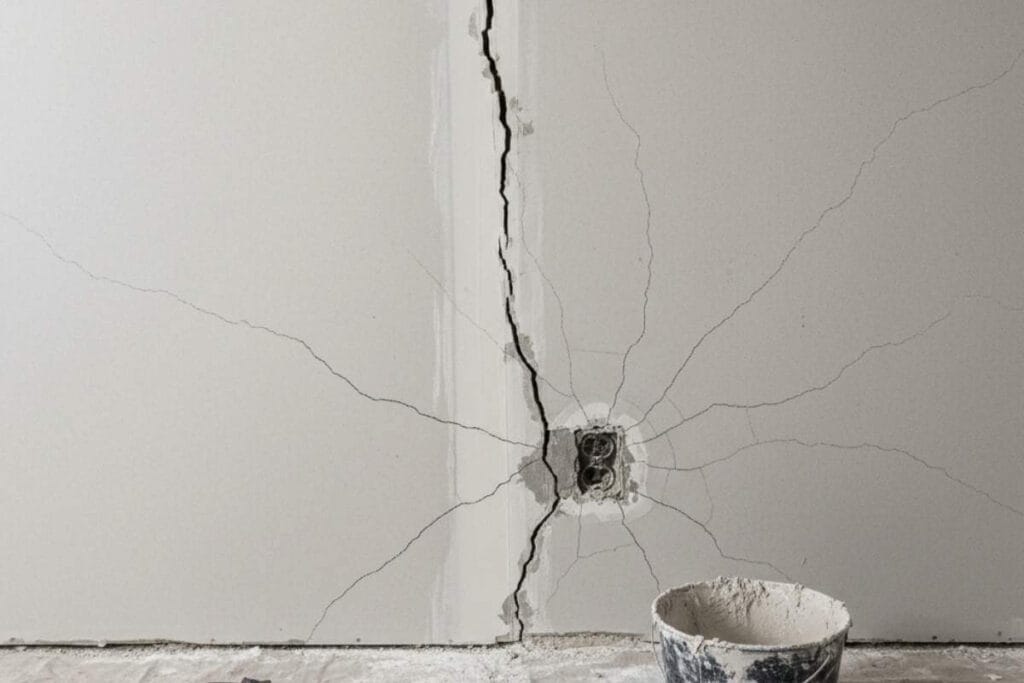
· Sag and crack
· Cover up plumbing or electrical risks
· Fail city inspections
Because Douglasville complies with local amendments and the International Building Code (IBC), drywall installation has been extensively investigated by inspectors. Official drywall code violations can result from even minor errors.
Common Douglasville, GA Drywall Code Violations
The most common problems that inspectors identify are listed below. Many of these occur in fast-paced contractor jobs or DIY projects.
1. Incorrect Drywall Type Used
Every type of drywall is different. Using ordinary drywall when special materials are needed is a common violation of the drywall code.
You need to use:
· Moisture-resistant green boards in kitchens and bathrooms
· Type X fire-rated drywall in common walls, furnace rooms, and garages
· Mold-resistant drywall for moist spaces like basements
It is one of the most common code violations inspectors find in Douglasville houses.
2. Improper Fastener Spacing
The appropriate amount of screws or nails must be used to secure the drywall. It may sag, break, or separate from the studs if there are insufficient fasteners.
Typical requirements consist of:
· Walls with screws spaced 12 inches apart
· Ceiling screws spaced 7 to 8 inches apart
· Fasteners need to be at least ½ inch away from the drywall’s edge
Inconsistent or too broad spacing is an obvious violation of the drywall code.
3. No Fire Blocking Behind Drywall
Open wall cavities in many homes let fire spread swiftly through the framing. This is slowed down by fire blocking.
Inspectors frequently point out violations of the drywall code when:
· There is no fire blocking between levels
· There are gaps surrounding stairways
· The attic connections have been opened
Although drywall covers the walls, the contents behind it still need to comply with the code.
4. Inadequate Or Missing Tape And Mud Work
If drywall joints are not properly completed, cracks, bubbles, or seams that show through the paint could be code violations, even if they appear to be cosmetic.
Violations take place when:
· There is no tape on joints
· The corners lack adequate reinforcement
· Not enough joint compound is applied
· Uneven or visible seams
Bad finishing can damage the drywall system and be unsightly.
5. Basements Without Vapor Barriers
Vapor barriers are essential in Douglasville, given its high humidity, particularly in crawl spaces and basements.
Installing drywall straight onto basement walls is a common drywall code violation. You cannot install it without:
· Moisture barrier
· Board for insulation
· Appropriate clearance for framing
If you don’t have protection, moisture can seep in and cause warping, mold growth, and structural damage.
6. Electrical Box Covering
Electrical boxes should never be buried in drywall. It is a major violation of the drywall code to cover outlets, switches, or junction boxes with drywall.
Inspectors need:
· Electrical outlets must be flush with the drywall
· All outlets and switches have the appropriate cutouts
· All junction boxes are easily accessible
Electrical components that are hidden increase the risk of fire and inspection failures.
7. Incorrect Ceiling Drywall Thickness
Due to gravity, ceilings require thicker drywall than walls. This is something that many DIY projects go wrong with.
Common guidelines:
· Walls: ½-inch drywall
· Ceilings: ⅝-inch drywall (Type X recommended)
In home restorations, one of the most frequent code violations is the use of thinner drywall on ceilings.
8. Failure To Use Fire-Rated Drywall In Garages
In Douglasville, garages that are close to homes are required to have fire-rated drywall between the garage and the living area.
Homeowners are in violation when:
· Using ordinary drywall rather than Type X
· Leaving spaces between doors
· Not using fire caulk to plug penetrations
Due to its direct impact on fire safety, this is one of the most heavily enforced drywall code violations.
Permits And Inspections In Douglasville, GA
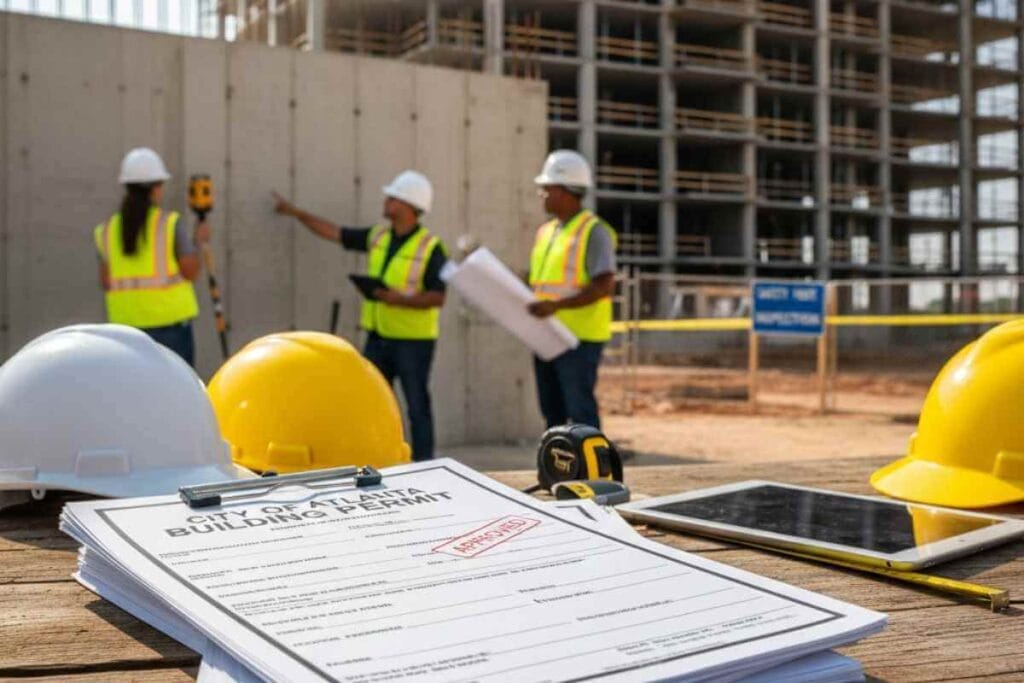
A permit may be required if you are upgrading or constructing drywall in Douglasville, particularly for:
· Basement finishing
· Commercial projects
· Garage conversions
· Room additions
· Structural wall changes
Before letting you move on with painting or final occupancy, inspectors look for drywall code violations after installation.
Usually, they check for:
· The right kind of drywall
· The right distance between fasteners
· Safety precautions against fire
· Protection from moisture
· Clean utility cutouts
If the inspection is unsuccessful, you will need to correct the problems and pay for another one.
How To Prevent Drywall Code Violations?
To stay out of trouble, you don’t need to be a contractor. Follow this checklist:
Before Installation
· Verify that each room has the appropriate type of drywall
· Verify the local Douglasville regulations
· Make plans for plumbing and electrical cuts
During Installation
· Place vapor barriers as necessary
· Make use of the proper screw spacing
· Don’t tighten screws too much
· Make sure the drywall edges line up with the studs
After Installation
· Leave little expansion gaps as necessary
· Properly tape and mud all seams
· Sand uniformly
· Look for any exposed fasteners
· Make sure all boxes and outlets are reachable
By doing this, expensive violations can be avoided.
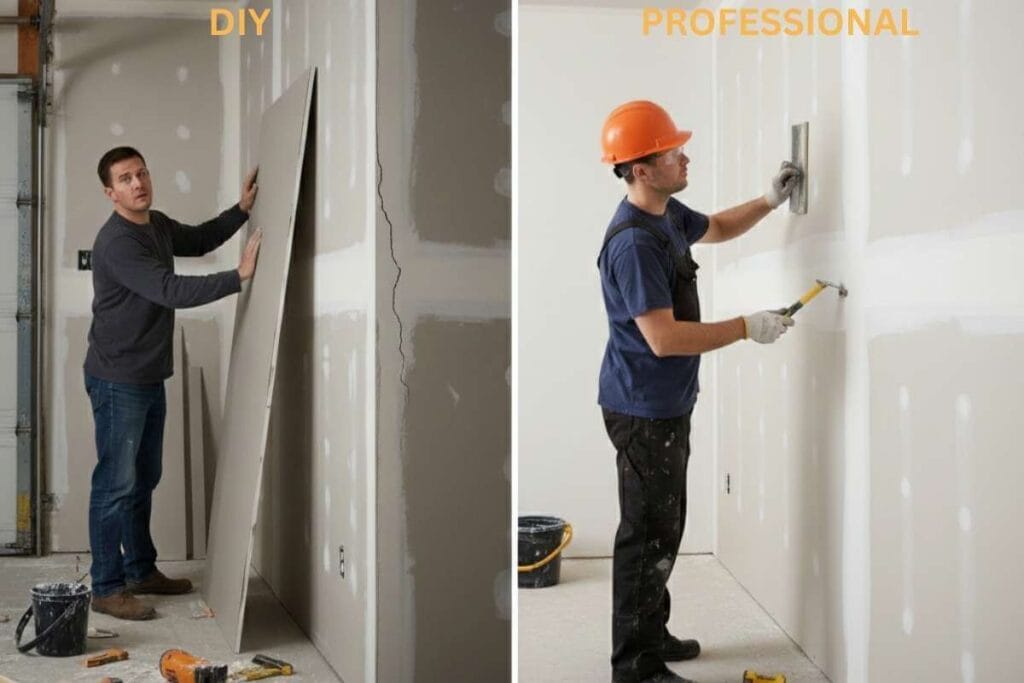
DIY Vs. Hiring A Professional
Although you can do a few drywall tasks on your own, major works in Douglasville are hazardous for inexperienced workers.
DIY is acceptable for:
· Minor patch fixes
· Replacing a few sheets that are damaged
· Small cosmetic adjustments
Hire a professional for:
· Basements
· Commercial spaces
· Full room remodels
· Garages
· Load-bearing walls
A professional drywall installer can help you avoid drywall code violations that could fail inspection because they are aware of local regulations.
Conclusion
Drywall is an essential component of your home’s safety system and goes beyond simple finishing. Being aware of Douglasville, GA drywall code violations helps you to secure your home, make better judgments, and prevent inspection errors.
It’s always safer and wiser to follow code while building new, renovating, or repairing old walls.